


Summer window and door insulation: Say goodbye to reliance on air conditioning
During the summer, the sun is scorching hot, temperatures remain consistently high, and heat waves continuously seep indoors through doors and windows; even when air conditioning is turned on, high electricity bills often result from prolonged operation. In reality, high-quality aluminum alloy doors and windows can serve as effective allies in thermal insulation and cooling; below, we'll reveal four key tips for improving the thermal insulation of doors and windows.
Insulating aluminum alloy doors and windows: The key to thermal insulation performance
Insulated aluminum alloy doors and windows are leading products in the thermal insulation sector, with their thermal insulation performance primarily determined by material selection, structural design, and installation details.
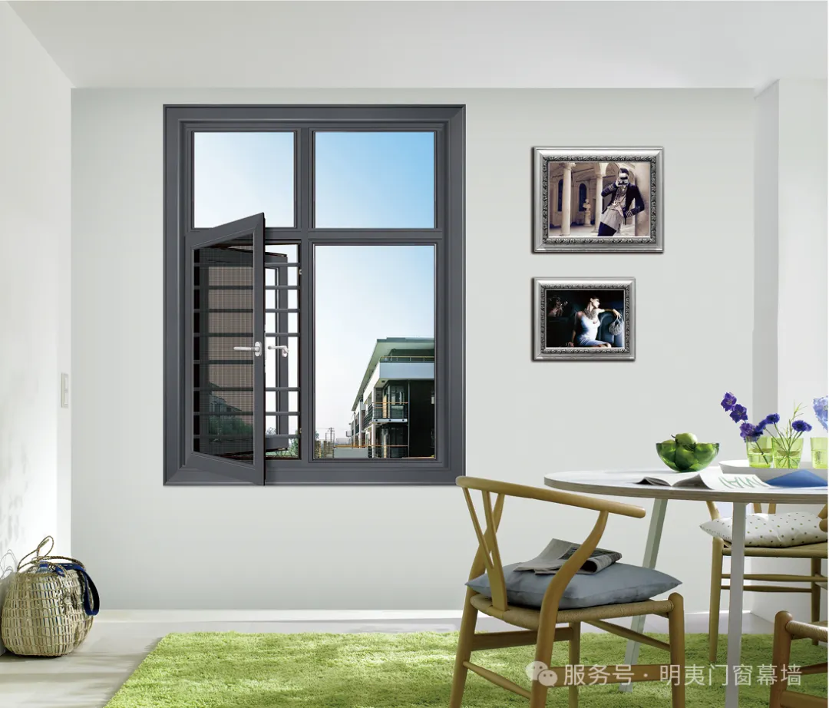
Regarding materials, the plastic connection section of thermal break aluminum alloy—specifically the thermal insulation strip—is of paramount importance. High-quality thermal insulation strips, such as PA66 nylon strips, offer exceptional thermal insulation performance and outstanding durability. Compared with conventional thermal insulation strips, PA66 nylon strips can more effectively prevent heat transfer, thereby creating a cooler indoor environment.
Structural design is equally critical; the location and width of thermal break elements have a direct impact on their insulating performance. A well-designed thermal break can precisely block the pathways for heat transfer—much like installing multiple checkpoints along the "highway" of heat conduction—thereby making it difficult for heat to enter the interior space. For example, positioning the thermal break at key load-bearing points of doors and windows not only ensures their structural stability but also maximizes their insulating effectiveness.
Installation details are a critical factor in determining the thermal insulation performance. When installing thermally broken aluminum alloy doors and windows, it is essential to ensure that the thermal insulation strips are tightly bonded to the aluminum alloy profiles to prevent the occurrence of thermal bridges. A thermal bridge acts like a "bridge" for heat transfer, allowing heat to bypass the insulation strips and enter the interior directly, thereby significantly reducing the overall thermal insulation effectiveness. Therefore, during the installation process, strict adherence to technical specifications must be observed, with each joint carefully inspected and properly treated.
Double-layer insulating glass: provides both thermal insulation and soundproofing.
Double-layer insulating glass is also an excellent choice for enhancing the thermal insulation performance of doors and windows; its thermal insulation effectiveness depends primarily on the thickness of the insulating layer and whether an inert gas has been filled within it.
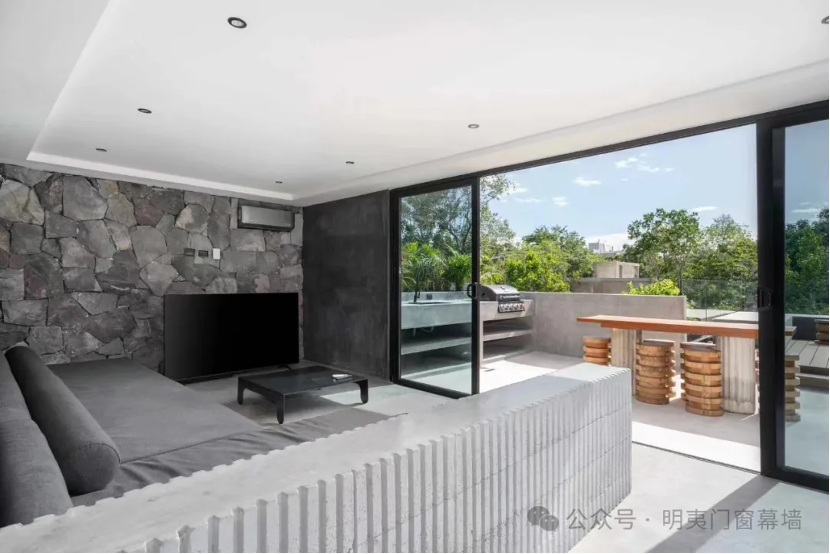
The thickness of the insulating layer has a significant impact on its thermal insulation performance; generally speaking, the greater the thickness of the insulating layer, the better its thermal insulation effect. However, an excessively thick insulating layer can also increase costs and the weight of the doors and windows. Therefore, in practical applications, an insulating layer thickness of 12–20 mm is a common choice, as it ensures excellent thermal insulation performance without imposing an undue burden on the doors and windows.
Filling the air cavity with inert gases such as argon can further enhance thermal insulation and soundproofing performance. Inert gases possess a low thermal conductivity coefficient, which effectively prevents heat transfer; simultaneously, they reduce sound propagation, making the interior environment quieter. For example, when argon is filled in double-glazed windows, the thermal insulation performance can be improved by 10%–15%, while the soundproofing effect can also be significantly enhanced.
Slat aluminum alloy doors and windows: provide flexible shading and natural light control
Aluminum alloy shutters for doors and windows offer their unique shutter adjustment functionality, making them an ideal choice for thermal insulation and natural lighting.
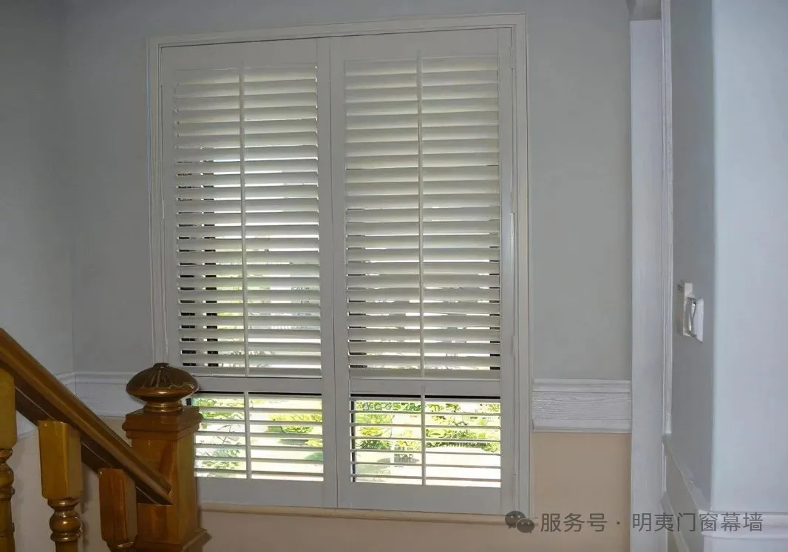
The angle of the blinds' louvers can be flexibly adjusted according to actual needs. When sunlight is intense, adjusting the louver angle to an optimal position can effectively block direct sunlight, reduce heat ingress into the room, while still maintaining a certain level of natural lighting, ensuring the interior remains bright and comfortable. Conversely, when it is darker, the louver angle can be adjusted to allow more sunlight to enter the room.
To maintain the shading effectiveness and aesthetic appeal of your shutters, regular cleaning is essential. Accumulated dust can impair the opening and closing mechanism of the shutter blades as well as their shading performance, and may also compromise the overall appearance. Therefore, it is recommended to perform a thorough cleaning of the shutters at regular intervals.
Additionally, awnings are available in two control options: electric and manual. Electric awnings offer convenient operation, allowing you to control them via a remote control or a mobile app, making them ideal for those seeking convenience; manual awnings, on the other hand, are more affordable and suitable for consumers with limited budgets.
Aluminum alloy doors and windows with sealing strips: provide tight sealing against heat transfer
Using aluminum alloy doors and windows equipped with sealing strips is an effective method for preventing heat from entering the interior through door and window gaps.
When selecting sealing strip materials, high-quality options such as EPDM rubber or silicone seals are the preferred choices. These materials offer superior weather resistance and sealing performance, enabling them to maintain stable performance under various environmental conditions while effectively preventing the ingress of heat and dust.
When installing sealing strips, ensure they fit tightly against the door or window frame with no gaps. Particular attention should be paid to corners and joints, where proper treatment is essential to prevent air or heat leakage. After installation is complete, a simple test can be performed—such as using paper to feel whether any airflow passes through the gaps between the door or window—to verify that the sealing effect is effective.
Additionally, it is essential to regularly inspect the condition of the sealing strips. Over time, these strips may age, crack, or detach; once such issues are detected, they should be replaced promptly to ensure the sealing performance of the doors and windows.

