


Upgrade Your Home with High-performance Doors and Windows
Key Details to Note When Replacing Doors & Windows for New Home Renovation
As your new home renovation approaches, most of you may have beautiful visions for your new place. Yet in reality, you may struggle with picking home decor styles, along with selections for plumbing and electrical work, floor tiles, doors & windows, wardrobes, bedding, sofas and more.
During renovation, people tend to focus more on interior styles and furniture purchases, while door and window choices are often overlooked. Developers usually supply basic doors and windows as standard fittings. Due to limited knowledge about them, many skip replacement, only to run into various issues after moving in.
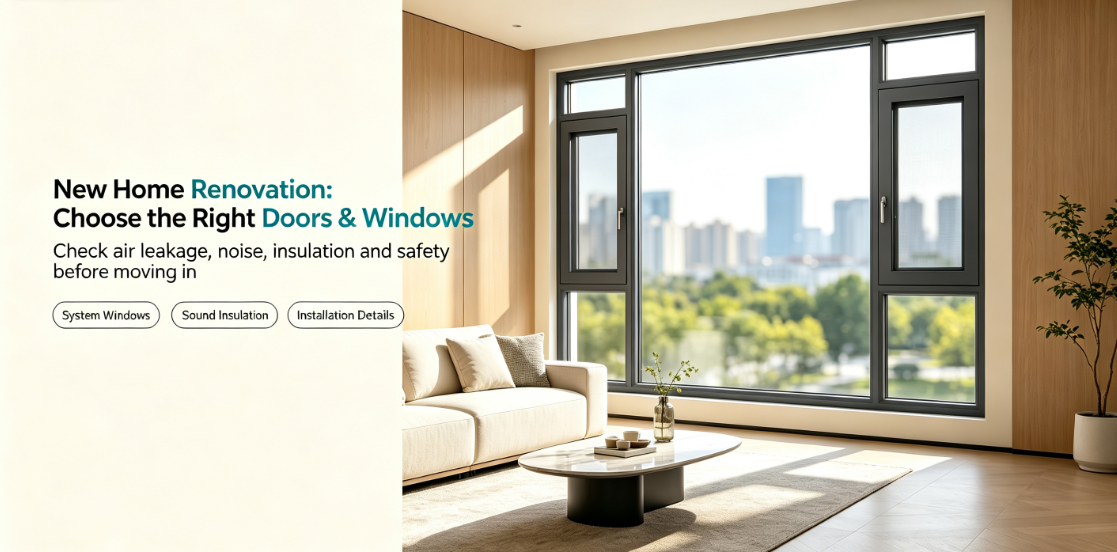
In this article, we will talk about whether you should replace your original doors and windows for a new home, and what type to choose.
Q: Should I replace the original doors and windows?
A: Yes, replace them without hesitation!
The pre-installed windows from developers are commonly made of UPVC or aluminum alloy. UPVC windows are prone to thermal expansion and contraction. They deform in heat and turn brittle in cold weather. After long-term use, their dimensions may shift and hinder normal opening and closing. Exposed to sun and rain over time, UPVC materials easily age, fade or crack, which compromises safety.
In better residential communities, developers install aluminum alloy doors and windows. Even so, you still need to check the profile thickness, performance and installation quality. First, inspect profile thickness — thin profiles may wobble or even break in strong winds. Check whether sealing gaskets are flat without curling or slipping out of grooves. Examine if connecting joints are smooth and well-sealed. Close the doors and windows to test sound insulation, especially if your home faces roads or commercial streets.
If your existing doors and windows suffer from air leakage, water seepage, poor sound insulation, or clash with your preferred decor style, replace them promptly.
Q: What special points should I pay attention to when selecting doors and windows?
A: Opt for system doors and windows with high performance and attractive appearance.
01. Performance of Doors & Windows Matters
A. Ensure home safety
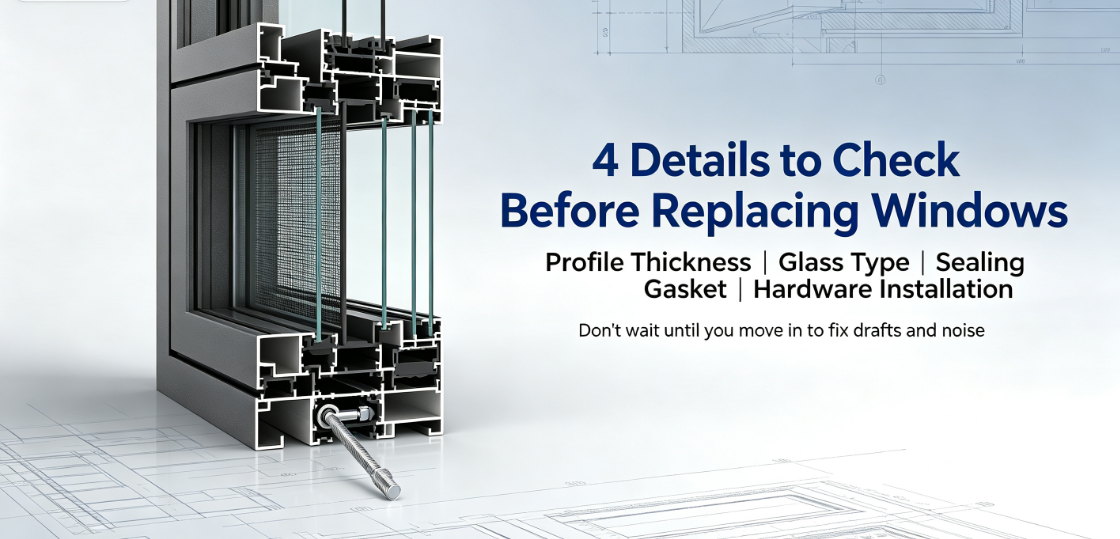
Doors and windows act as the safety barrier of your house. High-quality system doors and windows effectively reduce risks. For instance, broken-bridge aluminum windows feature high rigidity and strength with good wind resistance. When the profile wall thickness reaches 1.8mm, the basic strength and performance of doors and windows are greatly improved.

B. Create a quiet living space
Windows connect indoors and outdoors and offer views, yet they are also the main entry route for outside noise. To pick soundproof doors and windows, glass quality and sealing performance are critical.
C. Save energy and cut costs
Doors and windows should provide thermal insulation. They block heat from entering in summer and prevent indoor heat loss in winter. By reducing heat transfer between indoors and outdoors, they shorten the running time of air conditioners and heating systems, lowering electricity bills.
02. Functions of Doors & Windows Matter
Every layout of your space serves a purpose, and different areas require different comfort levels. Likewise, select doors and windows according to the function of each zone.
Entry doors prioritize safety and anti-theft performance. Bedroom doors focus primarily on sound insulation for undisturbed sleep. Balcony doors with strong thermal insulation help maintain a comfortable indoor temperature all year round. Kitchens produce heavy cooking fumes; sliding glass doors are moisture-proof, easy to clean and space-saving. Bathrooms are highly humid, so choose waterproof and moisture-resistant doors.
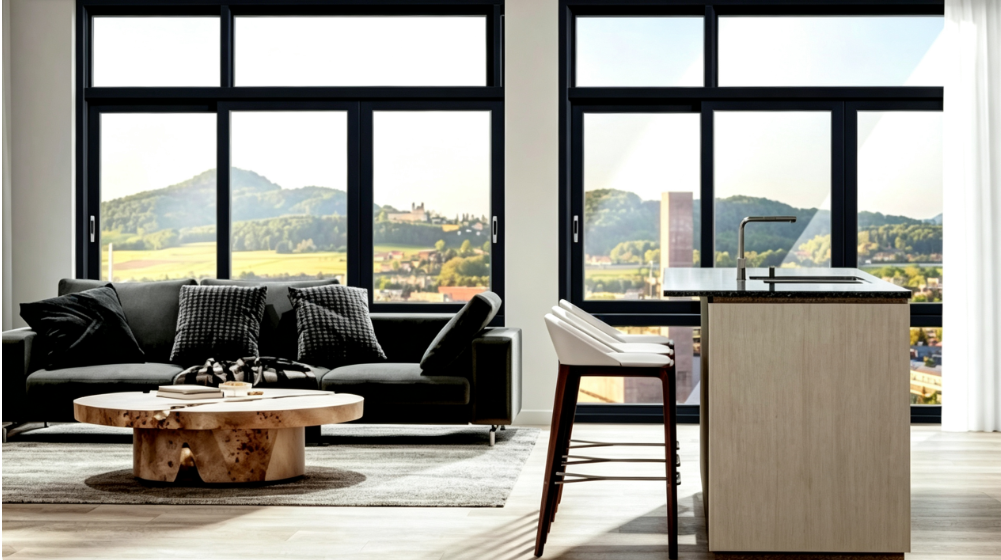
03. Configuration of Doors & Windows Matters
A. Glass configuration
Choose glass with 3C certification. Premium windows on the market mostly adopt double insulating glass. If you demand better thermal insulation and sound insulation, upgrade to triple-pane double-cavity glass, which comes at a higher price.
B. Hardware configuration
Hardware parts look small but play a vital role. They bear the weight of sashes and ensure smooth, quiet opening and closing. High-quality hardware is solid, fine-textured, glossy, and resistant to rust and falling off.
C. Gasket configuration
Exposed to wind and sun year-round, sealing gaskets age easily. Premium gaskets boast great elasticity, wear resistance and anti-aging properties to guarantee window tightness and service life.
D. Installation service
Reliable door and window brands usually have in-house installation teams with solid experience and technical expertise.
·END·

