


System Windows vs Standard Windows: Main Differences
Simple Guide Helps You Figure Out the Difference Between System Windows & Ordinary Windows
In home renovation, doors and windows are vital components that require careful selection. High-quality doors and windows deliver security, thermal insulation and sound insulation. They also beautify indoor and outdoor spaces, adding comfort and style to your property.
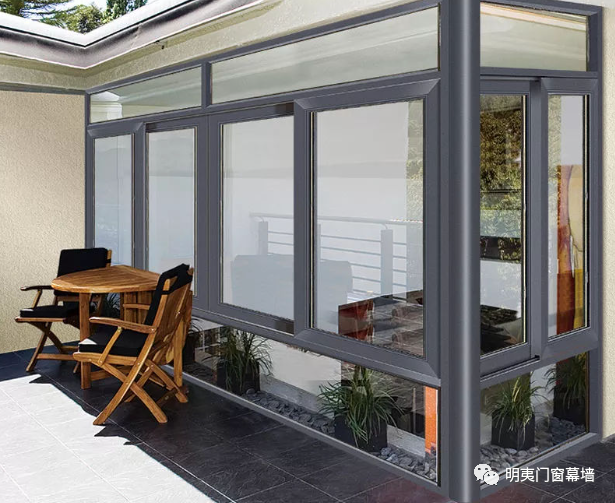
However, buyers often struggle to distinguish system windows from ordinary windows. This article breaks down their differences to help homeowners pick reliable, ideal windows easily.
What are System Windows?
A system window is an integrated assembly. It consists of frames, hardware, sealing gaskets, glass and other components. All parts are manufactured and installed under unified design and standards to maximize overall window performance.
What are Ordinary Windows?
Ordinary windows are simple opening and closing units without comprehensive optimized design. They often use basic materials such as steel or plastic. Their quality and stability cannot match those of system windows.
Core Differences
1. Corner Joint Technology
Ordinary aluminum windows use extruded aluminum corner connectors with crimped corner assembly. End sealant is applied first; corner codes are inserted into 45° profiles and pressed together by machinery. This corner assembly is factory-only and cannot be framed on-site.
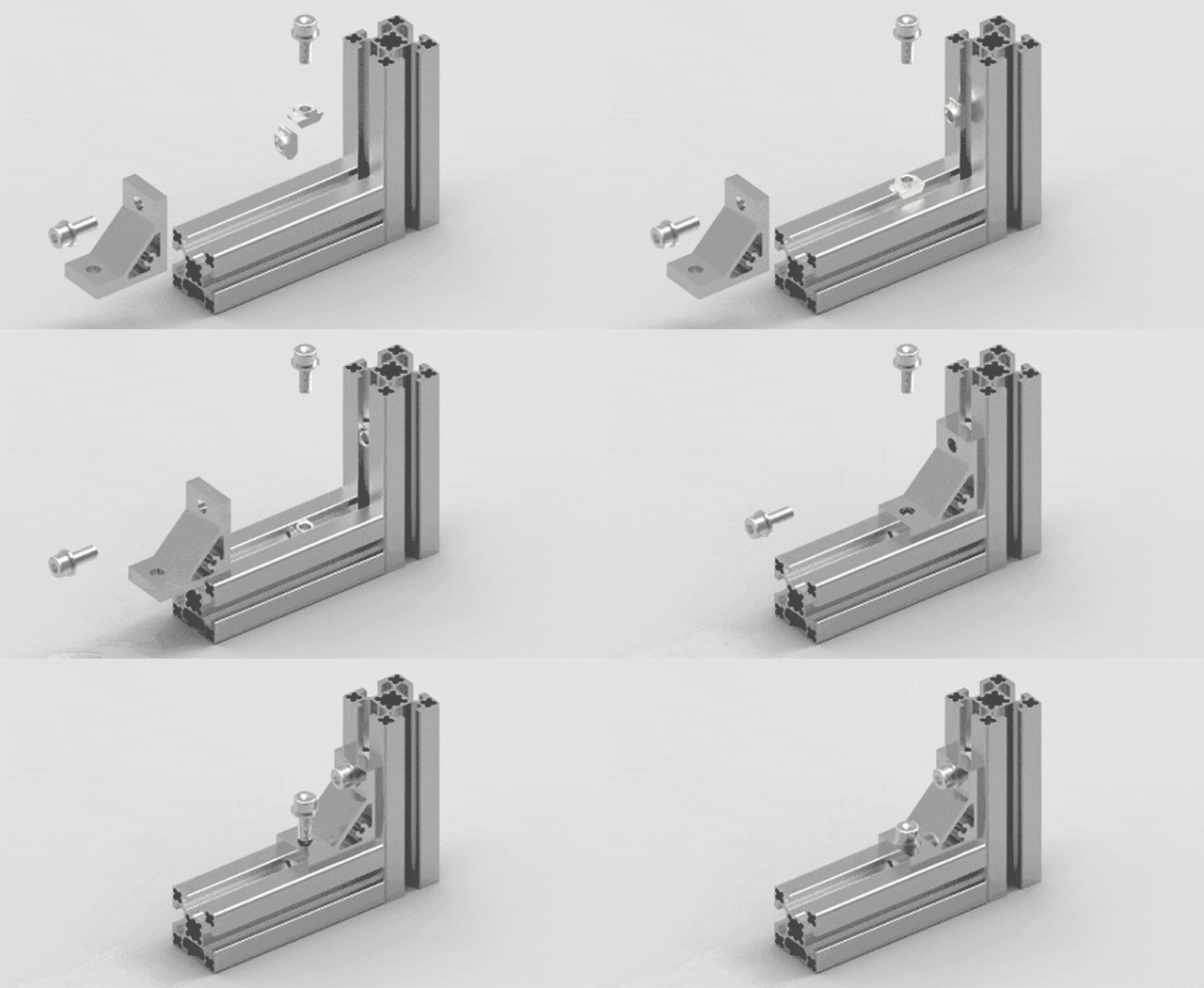
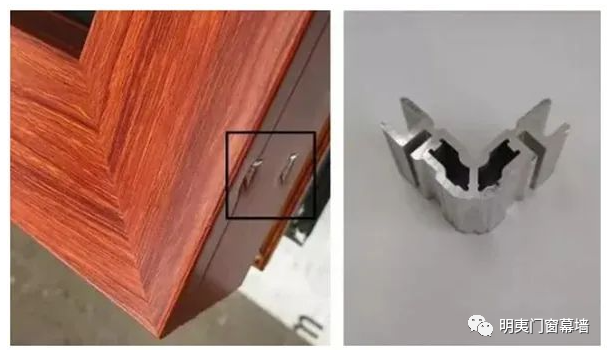
System windows adopt cast aluminum corner brackets, hollow stainless steel pins and glue injection. This technique uses two key technologies: expansion tension fastening and glue injection sealing. It fully seals gaps between corner brackets and profile cavities for excellent air tightness.
2. Sealing Gaskets
Ordinary windows mostly use modified PVC gaskets for frames, sashes and glass beads. They have poor elasticity and are hard to bend. Corners are often disconnected. After thermal expansion and contraction, gaskets may separate, creating gaps that cause water leakage and air infiltration.
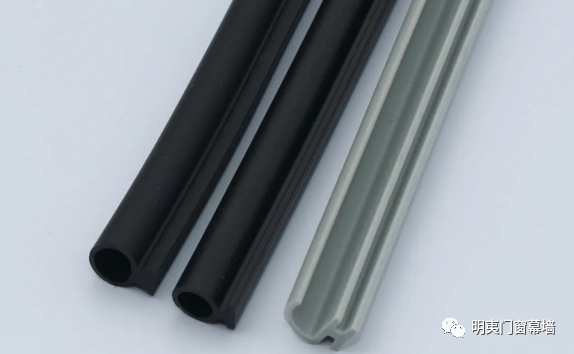
System windows generally use imported EPDM gaskets with continuous corner sections. Breaks are placed at the top middle where water rarely enters. Thick gaskets that are hard to bend at 90° use L-shaped corner gaskets, fundamentally solving gasket water seepage.
3. Overall Window Performance
Ordinary windows are assembled from separately purchased parts according to budget. Problems tend to occur during service with relatively poor stability. Built for one-off projects, they seldom undergo full testing, offering limited performance and inconsistent quality.
System windows are developed by dedicated R&D teams. Every component goes through strict testing before launch. They excel in thermal insulation, sound insulation, waterproofing and dustproofing. Mature technology minimizes breakdowns for superior and stable overall performance.
4. After-sales Service
System windows come with longer warranty periods. Brand stores provide professional maintenance teams for repairs and upkeep. You may contact brand after-sales support for any product issues. For ordinary windows, after-sales support is often unavailable, leaving homeowners without help when faults happen.
-END-

