


Key Factors Affecting the Cost of Float Raw Glass
Windows & Doors Knowledge Corner | What is Raw Glass Sheet? What Are the Available Sizes of Raw Glass Sheets?
Glass is an ancient building material that dates back to ancient Egypt. Evolving alongside human society, the glass industry has developed a wide range of specialty glasses with unique functions, expanding the glass family. Examples include bulletproof glass, optoelectronic glass and vacuum glass, each playing an irreplaceable role in its respective field.
Today, let’s learn about raw glass sheets.
01 What is a Raw Glass Sheet
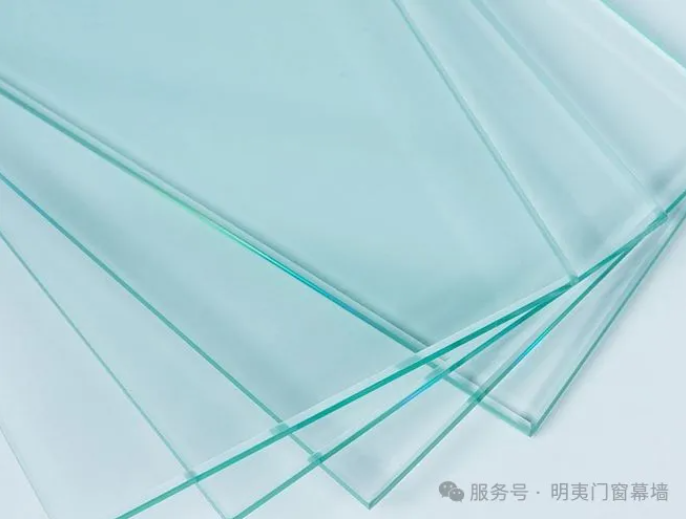
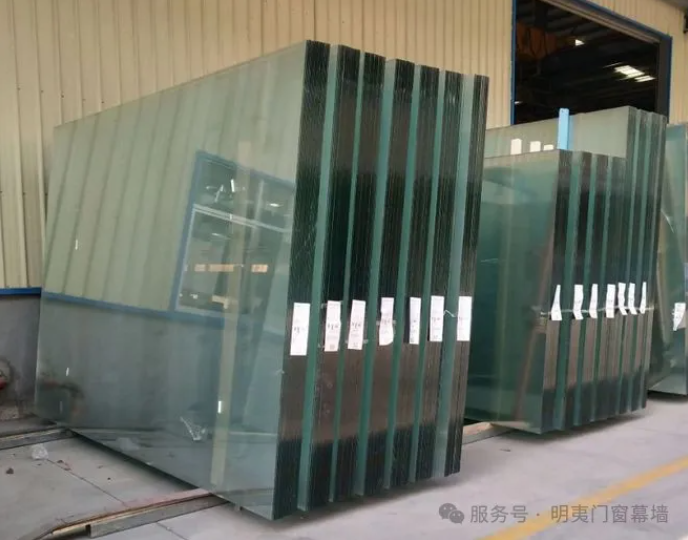
A raw glass sheet refers to fixed-size flat glass produced by flat glass manufacturers. Its dimensions are mostly based on standard imperial measurements, such as 12ft (3660mm), 130in (3300mm), 8ft (2440mm), 7ft (2134mm), etc. Customer requirements for glass dimensions vary greatly, which glass factories cannot fully accommodate. Standardized raw sheet sizes facilitate mass production, packaging and transportation.
End users require glass in a huge variety of sizes. These raw sheets cannot be directly used and must be cut to size. Compared with finished cut panels, the unprocessed glass supplied by glass mills is called raw glass sheet or blank glass sheet.
02 Specifications of Raw Glass Sheets
Glass is broadly categorized into flat glass and processed glass. Flat glass mainly falls into three production types: vertical drawing flat glass (with or without trough), horizontal drawing flat glass and float glass.
Ordinary Flat Glass
1.3–4mm glass: “mm” is commonly referred to as “li” in the industry. 3-li glass means 3mm thick glass, mainly used for picture frame glazing.
2.5–6mm glass: applied to exterior windows, door leaves and small-area translucent decorative structures.
3.7–9mm glass: used for interior room dividers and larger framed decorative panels.
4.9–10mm glass: suitable for large interior partitions and balustrades in renovation projects.
5.11–12mm glass: for floor-spring glass doors and high-traffic movable partitions.
6.Glass above 15mm: less commonly stocked and usually made to order. It serves large floor-spring glass doors and full-height exterior glass walls.
We have covered raw glass sheet specifications above. When selecting windows and doors, besides raw sheet sizes, you also need to understand quality grades. Float glass raw sheets are the standard choice for architectural windows and doors. What exactly is float glass?
03 What is Float Glass
Float glass is a type of flat glass. Its production mixes raw materials including silica sand, quartz powder, soda ash and dolomite in set proportions, then melts them in a high-temperature furnace. The molten glass flows continuously onto a molten metal bath to form a uniformly thick glass ribbon. The ribbon goes through polishing, cooling, hardening, separation from the metal bath, annealing and cutting to produce clear, colourless flat glass.
Three main manufacturing processes exist for flat glass: vertical drawing, horizontal drawing and float process. The first two mainly produce thin glass under 5mm. They suffer from poor flatness and large thickness deviation, only fit for basic enclosure and daylighting. They cannot undergo deep processing, and are especially unsuitable for coated glass. Despite this, their low cost keeps them widely used in low-end construction. In contrast, float glass outperforms flat glass made by the other two methods in all performance indicators.
Float glass differs from ordinary flat glass in production technology. Both surfaces of float glass are smooth and even with excellent transparency, free from glass scars and bubbles. Dense and solid, it is easy to cut and resistant to breakage. It is one of the best glass options for general civil buildings, priced only slightly higher than conventional flat glass.
04 Quality Grades of Float Glass
Many window and door manufacturers or retailers only briefly mention glass when talking to customers, for example: “We use raw glass sheets from Taiwan Glass or Xinyi Glass, which are tempered through deep processing for improved safety.” Raw glass sheets are graded, and we will explain these grades here.
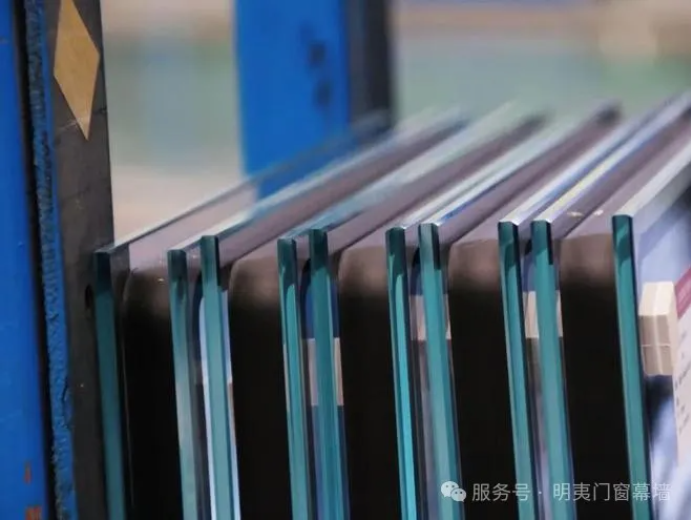
Float glass is graded by internal and visual quality. Based on surface appearance, it is classified as Superior Grade, First Grade and Qualified Grade. By thickness, common sizes include 3mm, 4mm, 5mm, 6mm, 8mm, 10mm, 12mm, 15mm and 19mm.
Before 2009, float glass adopted three grades: Mirror Grade (SQ), Automotive Grade (CQ) and Architectural Grade (GQ). The names indicate their applications: high-grade sheets make premium mirrors and automotive glass, while lower-grade float glass is ordinary Architectural Grade (GQ) for standard construction.
Current standards have renamed the grades as Superior Grade (SQ), First Grade (CQ) and Qualified Grade (GQ). The renaming does not alter product quality; it aligns with modern standardized naming conventions.
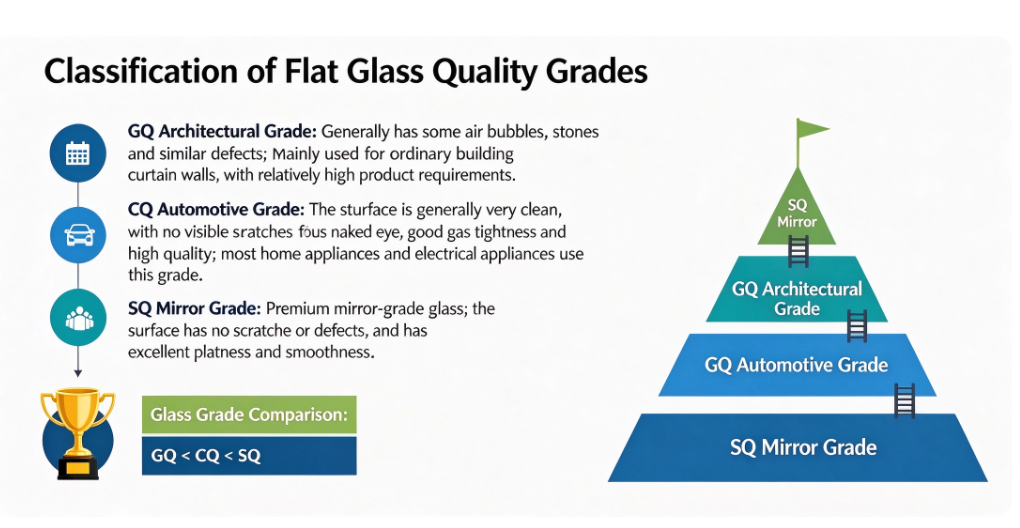
In terms of quality ranking: Mirror Grade is the highest, followed by Automotive Grade, then Architectural Grade. Therefore, Automotive Grade glass on the market is high-quality but not the top tier.
-END-

